

In classical Malay epic tradition, no figure embodies the agonizing crossfire between duty and moral truth more profoundly than Laksamana Hang Tuah when commanded by the Sultan of Melaka to scale Mount Ledang and propose marriage to Gusti Putri.
Tuah was bound by sacred loyalty to the crown. Yet in his heart, he carried deep reverence and unspoken affection for the Princess of Ledang. To obey the Sultan meant breaking the heart of the woman he loved. To disobey meant committing treason against the sovereign he had sworn his life to protect.
Every seasoned corporate executive knows this exact tension intimately. We call it The Hang Tuah Dilemma.
The Modern Corporate Crosshairs
In modern corporate Malaysia, leaders find themselves caught in identical crossfires almost every quarter:
- The Regional Headquarters vs. Local Reality: A global mandate arrives demanding immediate 20% headcount reduction to hit quarterly margin guidance, while the local business leader knows their frontline team is already burning out and customer retention will collapse.
- Shareholder Targets vs. Employee Wellbeing: Balancing aggressive board deliverables against the sustainable physical and mental capacity of high-performing talent.
- Compliance vs. Commercial Agility: Strict bureaucratic protocols that stifle innovation, forcing middle managers to choose between safety in inaction or personal risk in driving change.
"Leadership is not tested when the right choice is obvious. It is tested in the crucible of competing loyalties: when every available option demands a sacrifice, and you cannot walk away."
Why Passive Obedience Destroys Leadership Credibility
Historically, Tuah chose absolute obedience. In contemporary leadership, passive compliance is often a silent career killer. When executives simply execute unpopular orders with a shrug and a "Headquarters decided this," three things happen immediately:
- Erosion of Psychological Safety: The team realizes their direct manager will not advocate for them, leading to silence, disengagement, and quiet quitting.
- Diminished Executive Presence: Senior leadership views the manager as a mere messenger rather than a strategic business partner capable of nuanced pushback.
- Moral Injury and Fatigue: Living in constant misalignment between personal values and daily corporate actions triggers chronic stress and burnout.
The 4-Step Drama Framework for Navigating Competing Loyalties
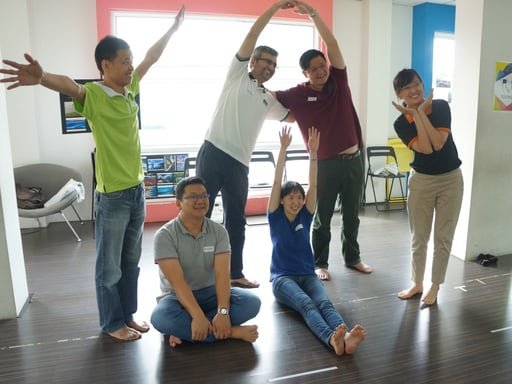
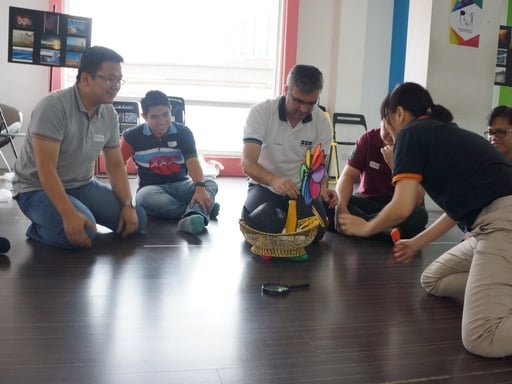
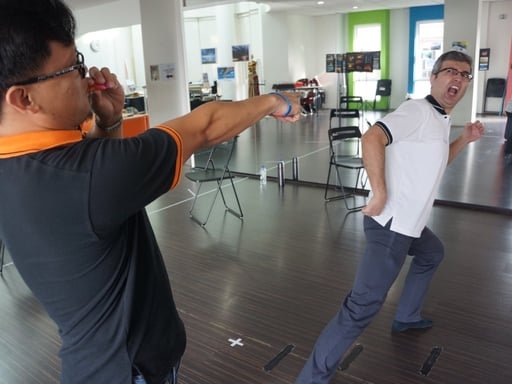
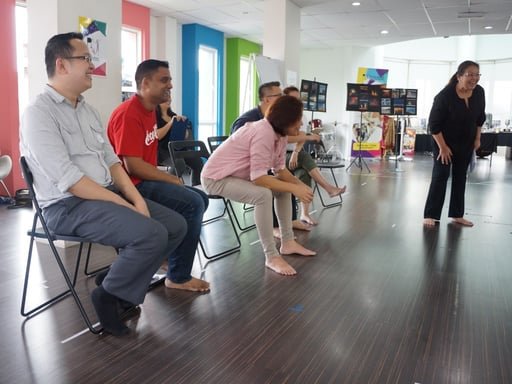
At Enfiniti PLAY!, we use theatre-based experiential simulations to help senior leaders build muscle memory for navigating high-stakes ethical dilemmas. Here is the framework we practice in our rehearsal rooms:
1. Clarify the Super-Objective
In theatre, every character has a super-objective that transcends immediate dialogue. In business, look beyond the immediate dispute. What is the overarching mission that both the board and the frontline share? Anchor every difficult conversation in that shared long-term goal.
2. Separate the Role from the Human
Conflict escalates when disagreement becomes personal. Theatre teaches actors to embody a role without losing their core identity. Frame the conversation around systemic tensions ("Here is the operational bottleneck this mandate creates") rather than interpersonal resistance.
3. Present Strategic Counter-Conditions
When Gusti Putri was challenged with an unacceptable demand, she did not react with hostility; she articulated counter-conditions that illuminated the true cost of the request. High-performing leaders never say a flat "no" - they present the trade-offs: "We can achieve this deadline, provided we reallocate budget X and defer initiative Y."
4. Rehearse Before the Spotlight
You would never step on stage on opening night without running lines with a rehearsal partner. Yet executives frequently walk into boardroom negotiations completely cold. Role-play the high-friction meeting with an objective peer first to calibrate tone, tempo, and emotional composure.
Moving from Dilemma to Decisive Action
The beauty of performing arts training for business is that it strips away hypothetical theories and puts leaders directly on their feet. In our Enfiniti PLAY! modules, executives embody both the sovereign and the subject, experiencing the physiological tension of high-stakes decisions in real time.
By transforming conflict from an emotional threat into a dramatic scene that can be staged, examined, and redirected, leaders discover authentic confidence and voice.